

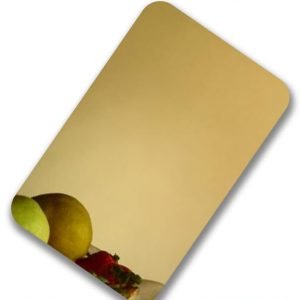

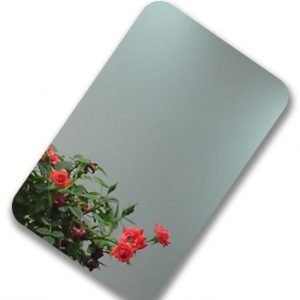
What Is Reflective Stainless Steel?
I treat reflective stainless steel as stainless steel with a mirror-like surface that throws back a clear image and a strong light reflection. In buying terms, it is not just “shiny metal.” It is a finish that signals clean appearance, premium value, and strong visual impact.
Where It Is Used
I see it used most often in:
– Architectural cladding metal
– Interior walls, ceilings, and elevator panels
– Decorative trims and signage
– Retail displays and luxury fixtures
– Kitchen, hotel, and commercial design
– Yacht grade polished steel and high-end marine projects
Why Buyers Want It
Buyers usually ask for reflective stainless steel because they want:
– A premium mirror finish that improves the look of a project
– Better brand presentation in public spaces
– A surface that is easier to match across large orders
– A material that balances appearance with stainless steel durability
– A polished finish that supports B2B steel procurement needs for architecture, transport, and interiors
What I Look For
When I source it, I focus on:
– Surface roughness (Ra value)
– Reflective sheet flatness
– Finish consistency across sheets
– No visible haze, scratches, or distortion
– Clear identification of No. 8 mirror finish or Bright Annealed (BA) finish
Reflective stainless steel is chosen for one main reason: it must look sharp under real-world light, from close range and from a distance. That is what makes it valuable in global projects where appearance matters as much as performance.
How Reflective Finishes Are Made
Creating a truly reflective stainless steel surface involves several key processes, each designed to enhance the material’s shine and smoothness.
Bright Annealed (BA) Finish is a common starting point. This process involves heating the stainless steel in a controlled atmosphere, which results in a smooth, shiny surface with minimal surface oxidation. The BA finish provides a clean, mirror-like appearance that’s ideal for many decorative and architectural applications.
Mechanical Polishing is then used to further enhance reflectivity. This process involves using abrasive belts or wheels with progressively finer grit to remove surface imperfections and achieve a high-gloss finish. It’s a precise step that requires skill to ensure uniformity and flatness across the sheet.
Buffing follows polishing, where softer abrasives or polishing compounds are applied to refine the surface even more. Buffing produces a smooth, mirror-like sheen, often referred to as a No. 8 mirror finish, which is highly sought after for its clarity and reflectivity.
What creates a true reflective surface?
The key is achieving a surface with minimal roughness and no visible scratches or grit lines. This involves careful control of the polishing and buffing processes, along with proper surface preparation. The goal is to produce a surface that reflects light evenly, mimicking a mirror, and providing a sleek, high-end look.
For those seeking the best surface quality, understanding these finishing steps helps in selecting the right stainless steel for projects like architectural cladding, yacht-grade polished steel, or interior design elements. Properly finished stainless steel not only looks stunning but also performs better in terms of durability and ease of cleaning.
BA Finish vs No. 8 Mirror Finish
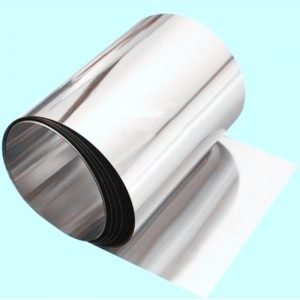


When comparing BA finish (Bright Annealed) and No. 8 mirror finish, the differences are clear but often misunderstood. Here’s what you need to know:
| Aspect | BA Finish | No. 8 Mirror Finish |
|---|---|---|
| Visual Look | Slightly matte, smooth, shiny surface | Highly reflective, mirror-like |
| Reflectivity | Moderate, around 60-70% | Very high, up to 90% or more |
| Surface Roughness | Rougher, Ra value around 0.4-0.8μm | Much smoother, Ra below 0.2μm |
| Appearance | Less glare, softer look | Clear, glossy, mirror-like finish |
How buyers should compare:
- Reflectivity: For projects needing a mirror-like shine, the No. 8 mirror finish is ideal. It offers a crisp, clear reflection.
- Surface roughness: Check the Ra value; lower means smoother and more reflective.
- Visual assessment: Always request samples to see real-life differences.
- Application needs: Use BA finish for architectural cladding or decorative panels where a softer shine suffices. Opt for No. 8 for high-end interiors, jewelry, or yacht-grade polished steel.
Choosing between these finishes depends on your project’s aesthetic and functional needs. For a true mirror-like effect, No. 8 mirror finish is the way to go, but BA finish offers a good balance of shine and durability.
Super Mirror Stainless Steel
I treat Super Mirror stainless steel as the top-tier reflective option when a project needs a cleaner, deeper image than standard No. 8 mirror finish. For premium interiors, luxury retail, elevator panels, and architectural cladding metal, the difference is easy to see at close range. I usually point buyers to 12K Super Mirror stainless steel sheets when the spec calls for a stronger visual impact.
Super Mirror vs No. 8
| Item | No. 8 Mirror Finish | Super Mirror Stainless Steel |
|---|---|---|
| Look | Bright, reflective | Deeper, sharper, more premium |
| Reflectivity | High | Higher and more uniform |
| Surface roughness | Low | Lower and tighter control |
| Grit lines | May be visible under light | Much harder to see |
| Use case | General decorative use | High-end display and premium projects |
When the higher spec is worth it
I recommend Super Mirror stainless steel when the buyer needs:
- A near-perfect visual face with less haze
- Better image clarity for yacht grade polished steel
- Stronger presentation value in public-facing spaces
- More consistency across large batches
- Lower risk of visible directional grit lines under bright lighting
My buying rule
If the product will be seen up close, photographed, or used in a premium brand setting, I choose Super Mirror. If the job only needs a clean reflective finish, No. 8 mirror finish is usually enough. For B2B orders, I also check finish consistency, flatness, and surface protection before I lock the spec.



304 vs 316 Stainless Steel
Choosing the right grade of stainless steel depends heavily on where and how you’ll use it. The two most common grades are 304 and 316, each with their own strengths and ideal applications.
Indoor Use
- 304 stainless steel is perfect for indoor projects like kitchen appliances, countertops, and decorative panels.
- It offers good corrosion resistance and a mirror-like finish, especially when paired with a No. 8 mirror finish.
Outdoor Exposure
- For outdoor environments, 304 can handle weather but may corrode over time if exposed to moisture or pollution.
- 316 stainless steel is better suited for outdoor use due to its superior corrosion resistance, especially in humid or polluted air.
Coastal Projects & Marine Environments
- 316 stainless steel is the top choice for coastal and marine applications. Its molybdenum content provides extra protection against saltwater pitting and rust.
- It’s often called marine-grade stainless steel and is used in yacht fittings, marine hardware, and coastal architecture.
Quick Comparison Table
| Feature | 304 Stainless Steel | 316 Stainless Steel |
|---|---|---|
| Corrosion Resistance | Good, but limited in saltwater | Excellent, ideal for saltwater & marine |
| Cost | Lower | Higher |
| Typical Uses | Indoor, general appliances, architectural | Marine, coastal, outdoor harsh environments |
| Surface Finish | Bright Annealed, No. 8 mirror finish | Bright Annealed, Super Mirror options |
Final Tips
- For indoor or dry environments, 304 is usually enough.
- When exposed to moisture, salt, or coastal air, go with 316 for longer durability.
- Always check your surface finish and key specs like Ra value and flatness to ensure quality and reflectivity.
Choosing the right grade ensures your project looks great and lasts longer, especially when paired with proper surface finishes and protective packaging.
Key Specs to Check Before Buying
When I buy reflective stainless steel, I do not rely on shine alone. I check the specs that affect how the sheet looks, how it installs, and how it performs in bulk orders.
| Spec | What I check | Why it matters |
|---|---|---|
| Ra value | Low and clearly stated | Shows the true surface roughness |
| Reflective sheet flatness | Tight flatness tolerance | Reduces image distortion |
| Finish consistency | Same gloss across every sheet | Keeps large orders uniform |
| Directional grit lines | Minimal or none | Avoids visible streaks under light |
| Standard | ASTM A480 standards | Gives me a clear procurement baseline |
I also reject any sheet with haze, cloudiness, pitting, or polishing marks. For B2B steel procurement, I ask for a sample, mill test certificate, and batch photos before I approve production.
Common Surface Defects in Reflective Stainless Steel
When I buy reflective stainless steel, I check every sheet for anything that breaks the mirror image. Even small flaws can lower reflectivity, hurt reflective sheet flatness, and reduce the value of a No. 8 mirror finish or Super Mirror stainless steel order.
| Defect | What It Looks Like | Why It Matters |
|---|---|---|
| Cloudiness / haze | Soft, dull patches on the surface | Cuts brightness and makes the finish look uneven |
| Pitting | Tiny pinholes or specks in the metal | Weakens appearance and can point to corrosion risk |
| Scratches | Fine lines from handling or transport | Stands out fast on polished steel and lowers grade |
| Distortion | Wavy reflection or warped image | Signals poor flatness and makes the sheet hard to use |
I also watch for directional grit lines, burn marks, and random polishing marks. These usually point to a weak mechanical polishing process or poor handling after finishing.
For procurement, I treat these as real quality issues, not cosmetic details. In B2B steel procurement, visible defects can change how the sheet performs in architectural cladding metal, display work, and other high-visibility projects.
Protective Film and Packaging
I treat packaging as part of the product, because a reflective stainless steel sheet can lose value fast if the surface is marked in transit. For B2B steel procurement, I always check for protective PVC laser film, clean edge protection, and moisture control before shipment.
What I use to protect the surface
- PVC laser film to block scratches, dust, and handling marks on the mirror face
- Edge protection to reduce dents, corner damage, and sheet deformation
- Moisture control with desiccants and dry wrapping to help prevent spotting and corrosion
- Palletized or crate shipping to keep the stack stable and reduce rubbing during transport
What I expect from a supplier
A good shipment should arrive with:
- Tight wrapping and no loose contact points
- Clear film coverage across the full reflective area
- No trapped moisture under the wrap
- Packing that supports reflective sheet flatness and helps prevent warping
For premium orders, I insist on packaging that protects the finish from loading dock to final site. That is the difference between a clean delivery and a rejected lot.
How to Vet a Steel Supplier
When I buy reflective stainless steel in bulk, I start with proof, not promises. For B2B orders, I want a supplier that can show real control over finish quality, batch consistency, and shipping protection. A reliable stainless steel sheet supplier should be able to back up every claim with documents and samples.
What I Check First
- Sample approval: I review a physical sample before production, not just photos.
- Mill Test Certificates: I verify grade, thickness, and compliance data on every batch.
- Surface QC: I check for cloudiness, grit lines, scratches, and surface pitting.
- Reflective consistency: I confirm the finish stays uniform across the full sheet.
- Flatness control: I inspect for warp, oil-canning, and edge distortion.
- Packaging method: I expect protective PVC laser film, edge protection, and moisture control.
Simple Supplier Scorecard
| Check | What I Want |
|---|---|
| Sample match | Final goods match approved sample |
| MTC | Full traceability by heat and batch |
| Finish control | Stable No. 8 mirror finish or Bright Annealed (BA) finish |
| Ra value | Clear target, not vague wording |
| Packaging | Surface stays clean in transit |
My Non-Negotiables
- Ask for ASTM A480 standards compliance when finish quality matters.
- Confirm batch consistency so one order does not look different from the next.
- Request defect photos from the supplier’s QC team before shipment.
- Lock in the spec sheet for grade, surface roughness (Ra value), and flatness.
- Use written approval for color, reflectivity, and protective film type.
If a supplier cannot handle these checks, I treat that as a risk. For reflective stainless steel, strong metal supplier quality control is what protects both product value and project results.
Reflective Stainless Steel FAQ
I get the same buyer questions again and again: how to tell a true mirror finish from a bright surface, what Ra value to request, and which grade holds up best outdoors. Here are the short answers I use when I source reflective stainless steel for B2B projects.
BA Finish vs No. 8 Mirror Finish
| Item | Bright Annealed (BA) Finish | No. 8 Mirror Finish |
|---|---|---|
| Look | Smooth, bright, but not true mirror | Deep reflective, mirror-like |
| Reflectivity | Moderate | High |
| Surface roughness | Higher Ra | Lower Ra |
| Best use | General decorative work | Architectural cladding metal, lifts, panels, display surfaces |
- BA finish is bright and clean, but it still shows a softer reflection.
- No. 8 mirror finish goes through a stronger mechanical polishing process and gives a clearer image.
- If I need a premium appearance, I choose No. 8 mirror finish; if I need a bright industrial surface, BA is often enough.
Ra Value To Ask For
For reflective stainless steel sheet, I ask for the Ra value in writing.
| Finish Level | Typical Ra Target |
|---|---|
| BA finish | Around 0.3 to 0.5 um |
| No. 8 mirror finish | Around 0.05 um or lower |
| Super Mirror stainless steel | Often 0.03 um or better |
- Lower Ra means a smoother surface and better reflection.
- If the project is visible to the public, I push for a tighter Ra spec.
- For premium interior panels or yacht grade polished steel, I ask for the lowest consistent Ra the supplier can prove.
How I Avoid Damage In Transit
I treat surface protection as part of the product, not an extra.
- Use Protective PVC laser film on the face.
- Add edge guards to stop corner damage.
- Keep sheets dry to prevent moisture marks.
- Use clean separators between sheets.
- Request pallet packing that reduces movement and warping.
304 vs 316 for Outdoor and Marine Use
| Grade | Best For | My View |
|---|---|---|
| 304 stainless steel | Indoor, dry areas, low corrosion risk | Good value and widely used |
| 316 stainless steel | Outdoor exposure, coastal projects, marine environments | Better corrosion resistance |
- For indoor decorative work, 304 is usually the practical choice.
- For coastal or marine use, I choose 316 because salt exposure is harsher.
- If the project is a yacht, waterfront facade, or exposed exterior panel, 316 is the safer buy.
How I Check Supplier Quality
Before I place a bulk order, I always verify the supplier on a few basics:
- Ask for sample approval before mass production.
- Request the mill test certificate.
- Check finish consistency across multiple sheets.
- Review flatness, gloss level, and Directional grit lines.
- Confirm compliance with ASTM A480 standards where applicable.
- Inspect for surface pitting and cloudiness before shipping.
Quick Buyer Checklist
- Ask for the finish type: BA, No. 8, or Super Mirror stainless steel
- Confirm Ra value: do not rely on visual claims alone
- Check flatness: reflective sheet flatness affects the final look
- Review packaging: PVC film, dry packing, and edge protection
- Match grade to use: 304 vs 316 stainless steel depends on exposure
Short Answers
- BA vs No. 8? BA is bright; No. 8 is true mirror.
- What Ra should I ask for? For mirror work, I ask for about 0.05 um or lower.
- How do I prevent transit damage? Use PVC film, dry packing, and edge protection.
- 304 or 316 outdoors? 316 is better for coastal and marine use.
- How do I verify quality? Check samples, MTCs, finish consistency, and flatness before bulk release.